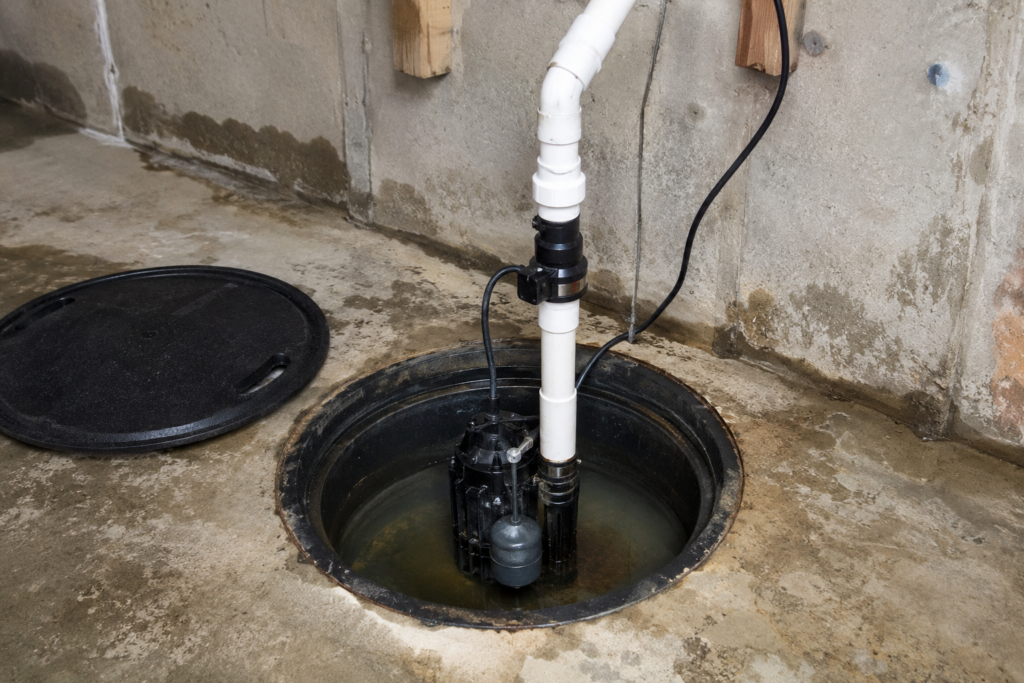
A sump pump is one of the most important pieces of equipment protecting your home from water damage. Located in the lowest part of your basement or crawl space, a sump pump helps remove excess water before it can flood your home. While many homeowners rarely think about their sump pump until a major storm hits, that’s often when problems become apparent. Unfortunately, if your sump pump fails during heavy rainfall or rapid snowmelt, the result can be costly water damage, mold growth, and expensive repairs.
Understanding the warning signs of a failing sump pump can help you address problems before they become emergencies.
Why Sump Pump Reliability Matters
Your sump pump serves as the first line of defense against basement flooding. When groundwater rises around your foundation, water flows into the sump pit where the pump automatically activates and directs water away from your home.
Because sump pumps often sit idle for extended periods, homeowners may assume they are functioning properly when, in reality, components may be worn, damaged, or nearing failure. A sump pump that works perfectly today may not perform when subjected to prolonged operation during severe weather.
Routine inspections and awareness of warning signs can help ensure your system is ready when you need it most.
Unusual Noises During Operation
While sump pumps naturally make some noise when running, excessive or unusual sounds should never be ignored. Grinding, rattling, banging, or vibrating noises often indicate mechanical issues within the unit.
These sounds may result from worn bearings, damaged impellers, loose components, or motor problems. As internal parts wear down, the pump may struggle to operate efficiently, increasing the risk of failure during periods of heavy use.
If your sump pump suddenly becomes louder than normal or begins making unfamiliar noises, it is a good idea to have it inspected by a plumbing professional.
Frequent Cycling
A sump pump that constantly turns on and off may be signaling a problem. Frequent cycling can place unnecessary strain on the motor and reduce the overall lifespan of the system.
Several issues can cause this behavior. The float switch may be improperly positioned, the pump may be undersized for the amount of water entering the pit, or there could be a malfunction within the control system. In some cases, electrical issues may also contribute to irregular cycling.
Regardless of the cause, a sump pump that cycles excessively should be evaluated before it experiences a complete breakdown.
Visible Rust or Corrosion
Like many plumbing components, sump pumps are exposed to moisture and can develop corrosion over time. Visible rust on the pump housing, discharge pipe, or other components may indicate deterioration that affects performance.
Corrosion can interfere with moving parts, restrict water flow, and compromise electrical connections. In some cases, rust buildup may even prevent the float switch from operating properly.
Regular visual inspections can help identify corrosion early and allow for timely repairs or replacement.
The Pump Runs Continuously
A sump pump that never seems to shut off may be struggling to keep up with incoming water or experiencing a mechanical problem.
Continuous operation places significant stress on the motor and can quickly lead to overheating. This issue may be caused by a stuck float switch, a clogged discharge line, an undersized pump, or unusually high groundwater levels.
If your sump pump runs nonstop during normal conditions, it is important to determine the underlying cause before the system fails completely.
Age of the Sump Pump
Many homeowners are surprised to learn that sump pumps do not last forever. While lifespan varies depending on usage, maintenance, and manufacturer quality, most sump pumps typically last between seven and ten years.
As a pump ages, internal components gradually wear out, making failure more likely. Even if an older pump appears to function normally, it may not be able to handle the demands of a major storm.
If your sump pump is approaching the end of its expected lifespan, replacing it proactively can help avoid unexpected flooding and costly water damage.
Excessive Vibration
Vibration during operation may indicate a damaged or unbalanced impeller, which is the component responsible for moving water through the system.
Debris that enters the sump pit can sometimes damage the impeller, reducing efficiency and placing additional stress on the motor. Excessive vibration can also loosen internal components and accelerate wear.
If your sump pump shakes noticeably while running, professional evaluation is recommended.
Water in the Basement
One of the clearest warning signs of sump pump trouble is water accumulating in your basement despite the presence of a sump pump.
Even small amounts of standing water, damp spots, or unexplained moisture can indicate that the pump is not operating effectively. In some cases, the pump may be partially functioning but unable to remove water quickly enough during heavy rainfall.
Addressing the issue early can prevent extensive damage to flooring, walls, furniture, and personal belongings.
Strange Odors Coming from the Sump Pit
Unpleasant odors near the sump pit may indicate stagnant water, bacterial growth, or debris buildup within the system. While odors do not always signal immediate failure, they can point to maintenance issues that affect performance.
A properly functioning sump pump system should effectively move water away from the home and minimize conditions that contribute to odor development.
Protect Your Home with Regular Maintenance
Routine maintenance is one of the best ways to reduce the risk of sump pump failure. Regular testing, cleaning the sump pit, checking discharge lines, and inspecting electrical connections can help identify problems before they become serious.
Many homeowners also choose to install battery backup systems that allow the sump pump to continue operating during power outages, which often occur during severe storms.
A sump pump is one of the most important safeguards against basement flooding and water damage. Recognizing warning signs such as unusual noises, frequent cycling, rust, continuous operation, excessive vibration, and visible water accumulation can help you address problems before disaster strikes.
If your sump pump is showing signs of wear or you are unsure about its condition, scheduling a professional inspection can provide peace of mind and help ensure your home remains protected when severe weather arrives. A reliable sump pump today can save you from significant stress and expense tomorrow.