A clogged kitchen sink can quickly turn into a frustrating household problem. Whether it’s standing water that won’t drain, unpleasant odors coming from the drain, or recurring backups, kitchen sink clogs can disrupt your daily routine and potentially lead to costly plumbing repairs. Fortunately, many common clogs are preventable with a few simple habits and regular maintenance.
Understanding what causes kitchen sink clogs and how to avoid them can help keep your plumbing system running smoothly and reduce the likelihood of unexpected plumbing emergencies.
Why Kitchen Sink Clogs Happen
Kitchen sinks handle a variety of materials every day, from food scraps and cooking grease to soap residue and cleaning products. Over time, these substances can accumulate inside your pipes, restricting water flow and eventually causing a blockage.
Unlike bathroom drains, which are often clogged by hair and soap scum, kitchen sink clogs are typically caused by food waste and grease buildup. Even small amounts of debris can collect along the inside walls of your pipes, gradually narrowing the passage until water can no longer flow freely.
The good news is that most kitchen sink clogs develop over time, which means preventive measures can often stop them before they become serious problems.
Avoid Pouring Grease Down the Drain
One of the most common causes of kitchen sink clogs is cooking grease. Many homeowners mistakenly believe that pouring hot grease down the drain is harmless because it is in liquid form. However, as grease cools, it solidifies and sticks to the interior surfaces of pipes.
Over time, grease traps food particles and other debris, creating stubborn blockages that are difficult to remove. Even if grease seems to wash away initially, it can accumulate further down the plumbing system and contribute to major clogs.
Instead of pouring grease into the sink, allow it to cool and solidify before disposing of it in the trash. This simple habit can significantly reduce the risk of future drain problems.
Be Careful What Goes Into the Garbage Disposal
Garbage disposals are convenient, but they are not designed to handle every type of food waste. Certain items can damage the disposal or contribute to drain clogs.
Foods such as coffee grounds, eggshells, pasta, rice, potato peels, and fibrous vegetables can create problems inside your plumbing system. These materials may expand when exposed to water, form thick pastes, or become tangled in the disposal mechanism.
Whenever possible, scrape food scraps into the trash or compost bin before washing dishes. Limiting the amount of food waste entering your plumbing system can help prevent buildup and extend the life of your disposal.
Use Plenty of Water
Running water plays an important role in moving waste through your plumbing system. When using a garbage disposal, always run cold water before, during, and after operation. The water helps flush food particles through the pipes and prevents debris from settling in the drain.
Cold water is generally preferred because it helps keep grease and fats solid so they can be carried away more effectively rather than coating the inside of the pipes.
Making a habit of using sufficient water can help maintain proper flow and reduce the likelihood of buildup over time.
Clean Your Drain Regularly
Routine drain maintenance can help prevent minor accumulations from turning into major clogs. Regular cleaning helps remove grease residue, food particles, and other debris before they have a chance to create a blockage.
Many homeowners find success by periodically flushing the drain with hot water to help break down minor buildup. Some also use a mixture of baking soda and vinegar as a natural cleaning solution. While these methods are not a substitute for professional drain cleaning, they can help maintain a cleaner drain between service appointments.
Consistent maintenance is one of the easiest ways to keep your kitchen sink functioning properly.
Install a Sink Strainer
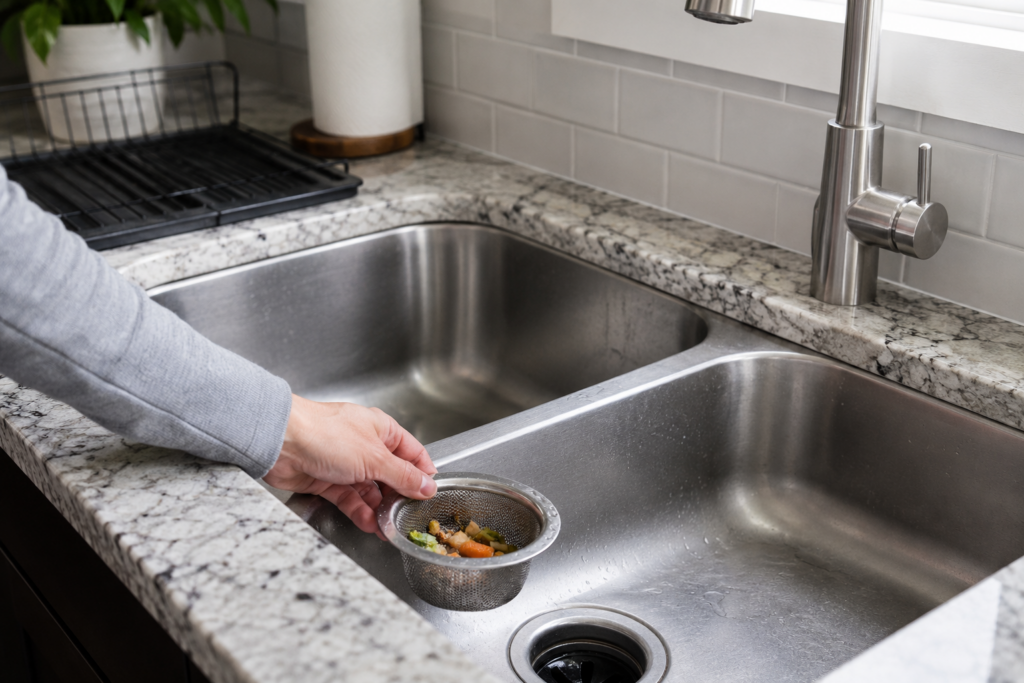
A sink strainer is a simple and inexpensive tool that can make a big difference in preventing clogs. These devices sit over the drain opening and catch food particles before they enter the plumbing system.
By trapping debris at the source, sink strainers reduce the amount of waste that accumulates inside your pipes. They are easy to remove, clean, and reinstall, making them one of the most effective preventive measures available.
Even households with garbage disposals can benefit from using a sink strainer to limit the amount of material entering the system.
Watch for Early Warning Signs
Kitchen sink clogs rarely appear without warning. In many cases, homeowners notice signs of trouble long before a complete blockage occurs.
Slow-draining water, gurgling sounds, unpleasant odors, and frequent backups are all indicators that buildup may be developing within the drain line. Addressing these issues early can often prevent a more serious clog from forming.
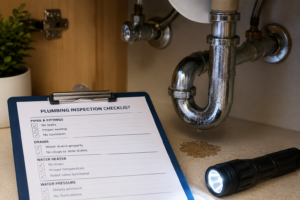
If you notice recurring drainage problems despite your preventive efforts, it may be time to schedule a professional plumbing inspection.
When to Call a Professional Plumber
While many minor clogs can be prevented through proper maintenance, some blockages require professional attention. Deep clogs, grease accumulations, and problems within the main drain line may not respond to household remedies.
Professional plumbers have specialized equipment that can thoroughly clean drain lines and identify underlying issues before they lead to costly repairs. Routine professional drain cleaning can help keep your kitchen plumbing system in excellent condition and provide peace of mind.
Preventing kitchen sink clogs is largely a matter of developing good habits and maintaining your plumbing system. Avoiding grease disposal, limiting food waste, using plenty of water, cleaning drains regularly, and installing a sink strainer can significantly reduce the risk of blockages.
By taking a proactive approach, homeowners can avoid inconvenient clogs, protect their plumbing systems, and save money on future repairs. If your kitchen sink continues to experience drainage problems despite preventive efforts, a professional plumber can help identify the cause and restore proper flow before the issue becomes more serious.