Hot water is something most homeowners rely on every day, whether it’s for showering, washing dishes, doing laundry, or cleaning. Traditional water heaters have been the standard choice for decades, but tankless water heaters have become increasingly popular due to their energy efficiency, space-saving design, and ability to provide hot water on demand. If you’ve heard about tankless systems but aren’t sure how they work, you’re not alone.
Understanding the basics of tankless water heaters can help you decide whether this modern solution is right for your home.
What Is a Tankless Water Heater?
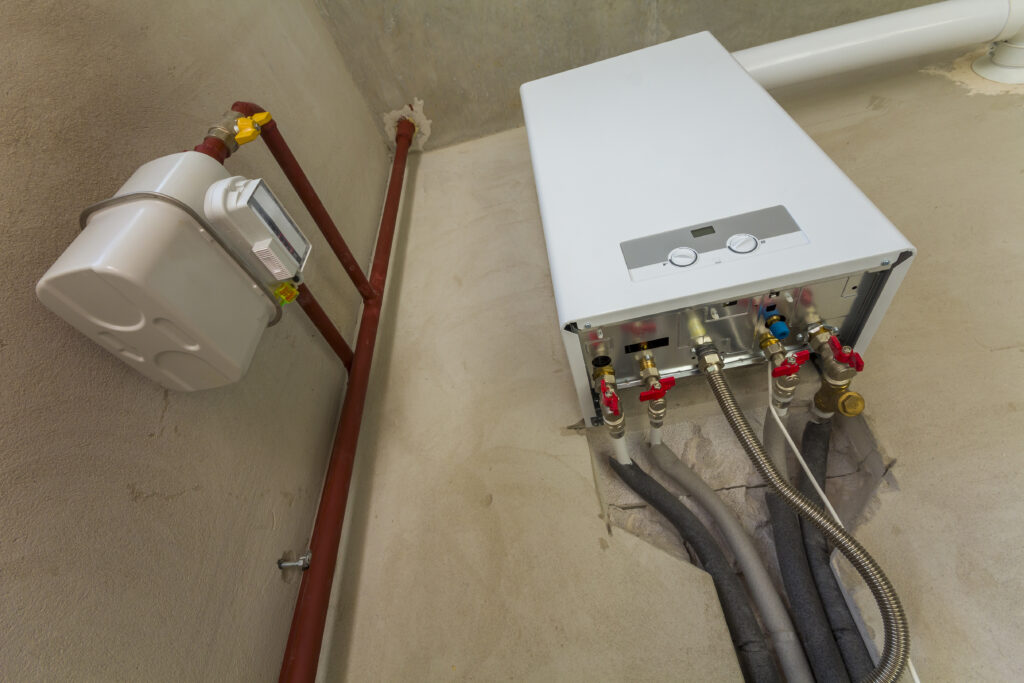
A tankless water heater, sometimes called an on-demand water heater, is a system that heats water only when you need it. Unlike traditional water heaters that store and continuously heat a large tank of water, tankless units operate without a storage tank.
When you turn on a hot water faucet, shower, or appliance, cold water flows directly into the tankless unit. The system quickly heats the water as it passes through the unit, delivering hot water to the fixture almost immediately. Once the demand for hot water stops, the unit shuts off until it is needed again.
Because water is heated only when it is being used, tankless systems can be significantly more energy efficient than traditional storage-tank water heaters.
How Does a Tankless Water Heater Work?
The operation of a tankless water heater is surprisingly simple. When a hot water tap is opened somewhere in the home, the system detects water flow and activates its heating mechanism. Depending on the type of unit, this heat may come from natural gas, propane, or electricity.
As cold water enters the system, it passes through a heat exchanger that rapidly raises the water temperature. The heated water then travels directly to the faucet, shower, dishwasher, or washing machine where it is needed.
Unlike conventional water heaters, there is no need to maintain a reservoir of hot water around the clock. The unit only operates when there is demand, making it a highly efficient option for many households.
Benefits of Tankless Water Heaters
One of the biggest advantages of a tankless water heater is its ability to provide a continuous supply of hot water. Traditional water heaters can run out of hot water when the storage tank is depleted, especially during periods of heavy use. Tankless systems eliminate this concern by heating water as it flows through the unit.
Energy efficiency is another major benefit. Since there is no storage tank constantly reheating water, homeowners often experience lower utility bills. Traditional water heaters lose energy through standby heat loss, which occurs when stored hot water gradually cools and must be reheated. Tankless units avoid this issue because they only operate when hot water is needed.
Many homeowners also appreciate the compact design. Tankless water heaters are much smaller than traditional units and can often be mounted on a wall. This frees up valuable floor space in utility rooms, basements, or mechanical closets.
Additionally, tankless systems typically have a longer lifespan than traditional water heaters. While a conventional tank water heater may last 8 to 12 years, many tankless models can last 20 years or more when properly maintained.
Are Tankless Water Heaters Right for Every Home?
While tankless water heaters offer many advantages, they are not necessarily the best solution for every household. The size of your home, the number of occupants, and your typical hot water usage all play a role in determining whether a tankless system is the right fit.
For example, larger families with multiple showers, appliances, and fixtures running simultaneously may require a larger unit or multiple units to meet demand. Proper sizing is essential to ensure the system can deliver adequate hot water during peak usage times.
A professional plumber can evaluate your home’s hot water needs and recommend the best system based on your family’s lifestyle and usage patterns.
Maintenance Matters
Like any plumbing appliance, tankless water heaters require routine maintenance to perform at their best. One of the most important maintenance tasks is flushing the system to remove mineral buildup. This is especially important in areas with hard water, where scale can accumulate inside the heat exchanger over time.
Regular maintenance helps maintain efficiency, extend the lifespan of the unit, and reduce the risk of costly repairs. Many manufacturers recommend annual service to keep the system operating properly.
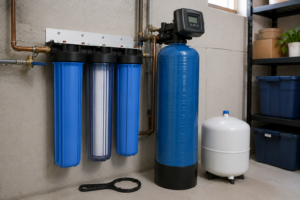
Installing a water softener may also help protect a tankless water heater from excessive mineral buildup, particularly in regions where hard water is common.
Is It Time to Upgrade?
If your current water heater is nearing the end of its lifespan, frequently requires repairs, or struggles to keep up with your household’s hot water demands, a tankless water heater may be worth considering. While the initial installation cost is often higher than a traditional tank system, many homeowners find that the long-term energy savings, increased efficiency, and reliable hot water supply make the investment worthwhile.
A professional plumbing evaluation can help determine whether a tankless water heater is the right choice for your home and budget.
Tankless water heaters offer a modern, efficient way to provide hot water throughout your home. By heating water only when it is needed, these systems eliminate the energy waste associated with traditional storage tanks while delivering a continuous supply of hot water. Their compact size, long lifespan, and energy-saving benefits have made them an increasingly popular option for homeowners.
If you’re considering upgrading your water heater, consulting with an experienced plumbing professional can help you understand your options and choose a system that meets your household’s needs for years to come.