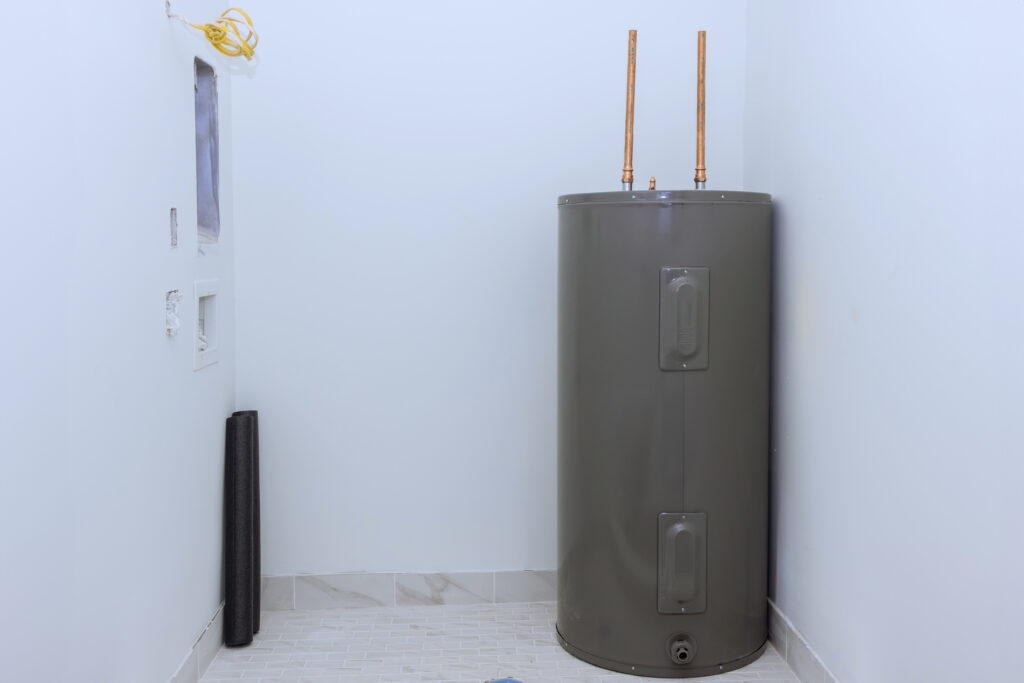
Your water heater is one of the most important appliances in your home. It provides hot water for showers, washing dishes, doing laundry, and more. But like any appliance, it doesn’t last forever. Over time, wear and tear, mineral buildup, and mechanical issues can cause a water heater to fail sometimes suddenly and inconveniently. Recognizing the early warning signs can save you from unexpected cold showers, costly repairs, and potential water damage.
Here are five signs that your water heater may be on its last legs.
1. Age of the Water Heater
The first and most obvious indicator is age. Most traditional water heaters have a lifespan of 8–12 years, while tankless models can last up to 20 years with proper maintenance. If your water heater is approaching or exceeding this age range, it’s wise to start monitoring it closely for other warning signs.
Older water heaters are more prone to leaks, corrosion, and inefficient heating. Even if it’s still functioning, planning a replacement before it fails completely can prevent emergencies and costly water damage.
2. Rusty Water or Tank Corrosion
Rusty water is a strong signal that your water heater is deteriorating from the inside. Check your hot water faucets for any discoloration. Brown, reddish, or metallic-colored water could indicate that the tank is corroding, which can eventually lead to leaks or complete failure.
Corrosion may also appear on the exterior of the tank, especially near the bottom or around plumbing connections. If you notice rust, it’s important to call a licensed plumber for an inspection. Ignoring corrosion can result in a sudden tank rupture and significant water damage.
3. Strange Noises
As water heaters age, sediment and mineral deposits can build up at the bottom of the tank. When these deposits heat up, they can cause popping, rumbling, or banging noises during operation.
While some noise is normal, loud or frequent popping is a sign that sediment is interfering with the heating process. Over time, this buildup can reduce efficiency, increase energy bills, and damage the tank or heating element. Flushing the tank or scheduling maintenance can help, but persistent noise may indicate that it’s time to replace the water heater.
4. Inconsistent or Lukewarm Water
If your water heater is struggling to provide consistent hot water, it may be failing. This can manifest as lukewarm showers, water that runs out quickly, or a noticeable drop in water temperature when multiple faucets are in use.
Inconsistent water temperature can result from a failing heating element, thermostat issues, or a tank full of sediment. While some problems can be repaired, a water heater showing multiple signs of poor performance may be nearing the end of its life.
5. Leaks Around the Water Heater
Water pooling around your water heater is one of the most serious warning signs. Even small leaks can indicate a failing tank, corroded pipes, or a damaged pressure relief valve. Ignoring leaks can lead to significant water damage to floors, walls, and your home’s foundation.
If you notice water near your water heater, it’s crucial to act quickly. A licensed plumber can identify the source of the leak and advise whether a repair or full replacement is the best solution.
A failing water heater doesn’t always announce itself with a dramatic failure. Often, there are subtle signs that you can catch early with careful observation. Age, rusty water, strange noises, inconsistent hot water, and leaks are all red flags that shouldn’t be ignored.
Paying attention to these warning signs can save you from the inconvenience of a sudden breakdown, prevent costly water damage, and ensure your household always has reliable hot water. If you notice any of these symptoms, it’s best to call a licensed plumber for an inspection and expert advice on repair or replacement.
Proactive maintenance and timely replacement are key to keeping your water heater running efficiently and protecting your home.