Choosing the right water heater for your home is more than just picking a model off the shelf. It’s an investment in comfort, efficiency, and long-term savings. Two of the most popular options today are tankless water heaters and traditional tank water heaters. Both have advantages and considerations, so understanding the differences can help you make the best choice for your household.
Understanding Traditional Water Heaters
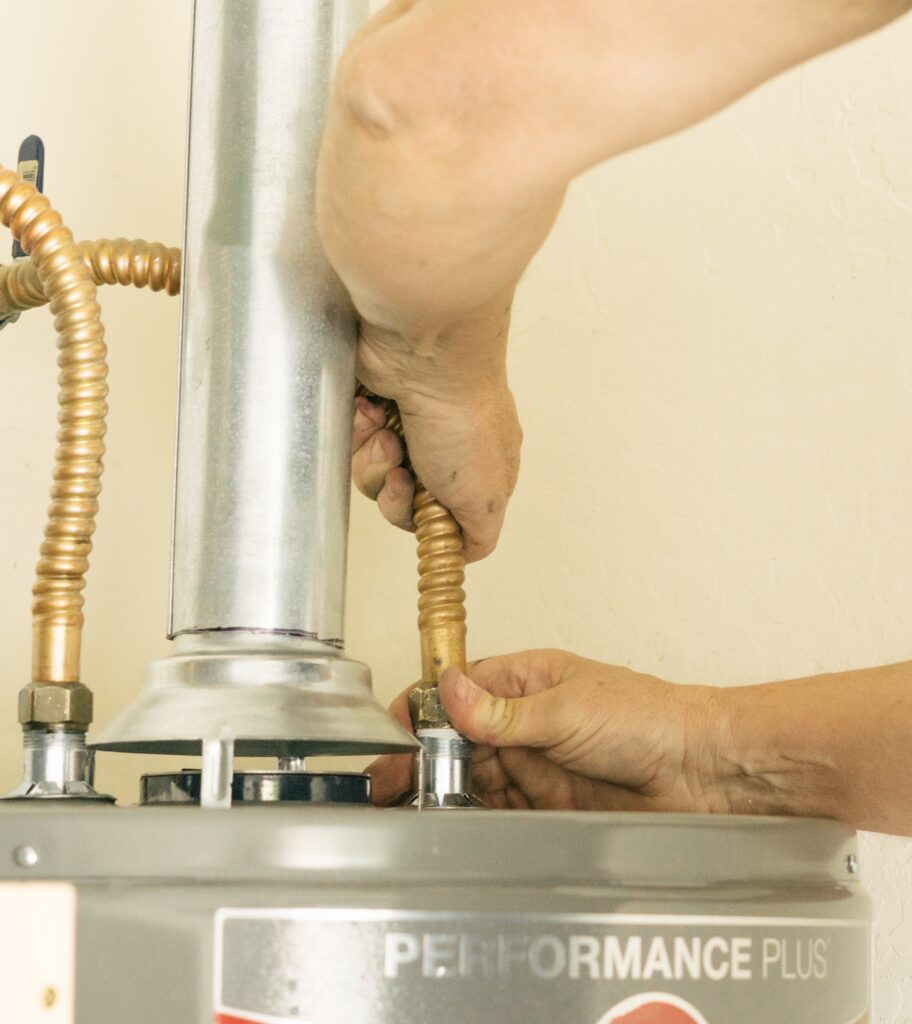
Traditional water heaters, also called storage tank water heaters, have been a standard in homes for decades. They work by heating water and storing it in a tank, ready for use whenever you need it. The tank size varies, commonly ranging from 30 to 80 gallons, depending on your household’s water needs.
Advantages of traditional water heaters:
- Lower upfront cost: Traditional water heaters are generally less expensive to purchase and install than tankless models.
- Simplicity: They are easier to install, maintain, and repair, making them a convenient choice for many homeowners.
- Consistent supply for multiple outlets: A tank can provide enough hot water for multiple showers, laundry, and dishwashing simultaneously, as long as the tank’s capacity is sufficient.
Considerations:
- Energy efficiency: Traditional tanks keep water hot continuously, which can waste energy and increase utility bills.
- Limited supply: Once the tank’s water is depleted, you may have to wait for it to refill and reheat before using hot water again.
- Space requirements: Tank water heaters are large and require dedicated space in a basement, utility room, or closet.
Understanding Tankless Water Heaters
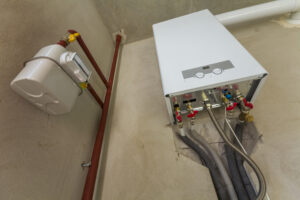
Tankless water heaters, also known as on-demand water heaters, heat water only when you need it. Instead of storing hot water in a tank, these units use high-powered heating elements or gas burners to instantly heat water as it passes through the system.
Advantages of tankless water heaters:
- Energy efficiency: Tankless units only heat water when it’s needed, which can reduce energy consumption and lower your utility bills.
- Endless hot water: You won’t run out of hot water, making tankless heaters ideal for large families or homes with high water demands.
- Compact size: These units are smaller and can be mounted on walls, freeing up valuable floor space.
- Longer lifespan: With proper maintenance, tankless water heaters can last 20 years or more, compared to 10–15 years for traditional tanks.
Considerations:
- Higher upfront cost: Tankless water heaters are more expensive to purchase and install, especially if your home requires upgrades to accommodate gas lines or electrical systems.
- Flow rate limitations: While they provide endless hot water, most tankless units have a maximum flow rate. Running multiple high-demand appliances simultaneously may require multiple units or a higher-capacity system.
- Maintenance: Regular descaling and maintenance are important, particularly in areas with hard water, to prevent buildup that can affect efficiency.
Which One Is Right for You?
Choosing between a tankless and traditional water heater depends on several factors:
- Household size and hot water demand:
- Small to medium households may be fine with a traditional tank.
- Larger households or homes with high simultaneous water usage might benefit from a tankless system.
- Small to medium households may be fine with a traditional tank.
- Budget considerations:
- Traditional water heaters have lower initial costs but may cost more in energy over time.
- Tankless units cost more upfront but can save money in energy bills over their lifespan.
- Traditional water heaters have lower initial costs but may cost more in energy over time.
- Space availability:
- If you have limited space, a compact tankless unit may be a better fit.
- If you have a utility room with room for a large tank, a traditional water heater is convenient and effective.
- If you have limited space, a compact tankless unit may be a better fit.
- Energy efficiency goals:
- Homeowners looking to reduce energy consumption and their environmental footprint may prefer a tankless system.
- Homeowners looking to reduce energy consumption and their environmental footprint may prefer a tankless system.
Both traditional and tankless water heaters have their place, and the “right” choice depends on your household’s unique needs. A traditional tank heater offers simplicity and upfront affordability, while a tankless system delivers efficiency, endless hot water, and space-saving benefits.
Before making a decision, consider your budget, household size, energy goals, and available space. Consulting with a licensed plumber can help you evaluate your home’s plumbing system and determine which water heater will provide the most reliable, cost-effective performance for years to come.
Investing in the right water heater isn’t just about convenience it’s about long-term savings, comfort, and peace of mind.