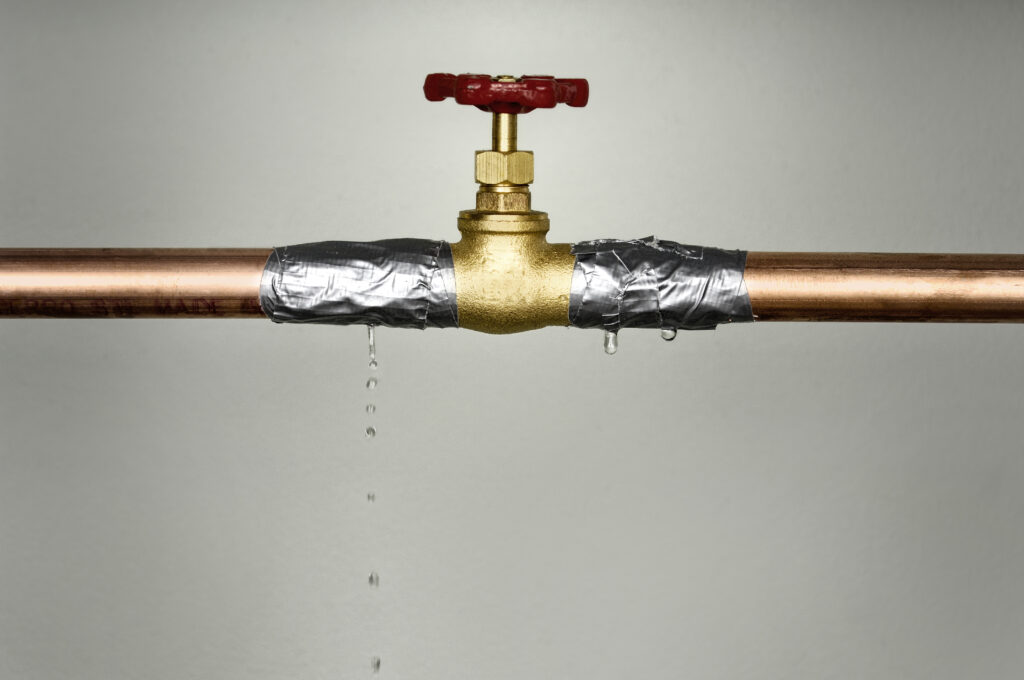
It’s easy to ignore a dripping faucet, a slow drain, or a small leak under the sink. After all, these minor plumbing issues often seem more like inconveniences than serious concerns. However, what many homeowners don’t realize is that small plumbing problems rarely stay small. Over time, even a seemingly insignificant issue can lead to extensive water damage, costly repairs, higher utility bills, and unexpected plumbing emergencies.
Routine maintenance and prompt repairs are some of the best ways to protect your home and avoid expensive surprises. Understanding how minor plumbing problems can escalate may help you save thousands of dollars in future repair costs.
A Small Leak Can Cause Major Water Damage
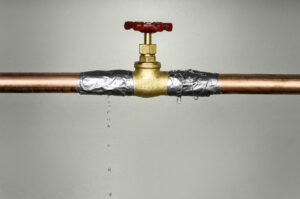
A tiny drip from a pipe or fixture may not seem like a big deal, but water has a way of causing damage over time. Even a slow leak hidden behind a wall, beneath a sink, or under your flooring can continuously expose building materials to moisture.
As water accumulates, it can weaken drywall, warp hardwood floors, damage cabinetry, and rot wooden framing. Moisture also creates the ideal environment for mold and mildew growth, which can spread quickly throughout your home if left untreated. The cost of repairing water-damaged walls, flooring, and structural components often far exceeds the cost of fixing the original leak.
Dripping Faucets Waste More Water Than You Think
Many homeowners postpone repairing a dripping faucet because it doesn’t interfere with daily life. However, a faucet that drips once every few seconds can waste hundreds or even thousands of gallons of water over the course of a year.
That wasted water translates directly into higher utility bills. In many cases, replacing a worn washer, cartridge, or valve is a relatively inexpensive repair that can eliminate the problem and reduce unnecessary water usage.
Slow Drains Can Become Complete Blockages
A drain that empties slowly is often the first sign of a developing clog. Hair, soap residue, grease, food particles, and mineral deposits gradually accumulate inside your plumbing pipes, restricting water flow.
Ignoring slow drains allows the blockage to continue growing until water can no longer pass through the pipe. Eventually, this may result in completely clogged drains, overflowing sinks, unpleasant odors, or even sewage backups. Professional drain cleaning performed early is typically much less expensive than dealing with a major blockage or damaged drain line.
Running Toilets Increase Water Bills
A toilet that continues running after each flush may seem harmless, but it can waste a surprising amount of water every day. Worn flappers, faulty fill valves, or improperly adjusted components often cause continuous water flow into the bowl.
Because the water loss isn’t always obvious, many homeowners don’t realize how much they’re paying until they receive an unusually high water bill. Repairing a running toilet is usually a simple and affordable solution that quickly pays for itself through reduced water usage.
Hard Water Slowly Damages Plumbing
Minnesota homeowners frequently deal with hard water, which contains elevated levels of calcium and magnesium. While hard water doesn’t typically create immediate plumbing failures, mineral deposits gradually build up inside pipes, faucets, showerheads, and water heaters.
Over time, these deposits restrict water flow, reduce appliance efficiency, and place additional strain on your plumbing system. Installing a water softener or addressing hard water issues early can help extend the life of your plumbing fixtures and appliances while improving overall system performance.
Hidden Leaks Often Go Undetected
Not every plumbing leak leaves a visible puddle. Pipes located behind walls, beneath concrete slabs, or inside ceilings can leak for weeks or even months before homeowners notice obvious signs.
Hidden leaks often reveal themselves through:
- Higher-than-normal water bills
- Water stains on ceilings or walls
- Musty odors
- Peeling paint
- Mold growth
- Soft or warped flooring
The longer these leaks remain undetected, the greater the damage they can cause.
Water Heater Problems Can Lead to Failure
Most water heaters provide years of reliable service, but they require periodic maintenance to operate efficiently. Sediment buildup inside the tank, corrosion, or failing pressure relief valves often begin as minor issues.
If ignored, these problems can reduce efficiency, increase energy costs, shorten the unit’s lifespan, or eventually lead to complete water heater failure. Routine inspections and maintenance help identify developing problems before replacement becomes necessary.
Aging Pipes Become More Vulnerable
As plumbing systems age, pipes naturally experience wear from years of water flow, temperature changes, and normal use. Small signs of corrosion or weakened joints may eventually lead to leaks or burst pipes.
Older galvanized steel pipes are particularly susceptible to corrosion that restricts water flow and weakens the pipe from the inside. Having your plumbing system inspected periodically allows worn components to be replaced before they fail unexpectedly.
Emergency Repairs Are Almost Always More Expensive
One of the biggest reasons to address plumbing issues early is to avoid emergency service calls. Plumbing emergencies often occur at the worst possible times, late at night, during holidays, or when you’re away from home.
Emergency repairs frequently involve additional labor, water damage restoration, flooring replacement, drywall repairs, and mold remediation. Addressing a small plumbing concern during a routine service appointment is almost always less expensive than responding to a major emergency after significant damage has occurred.
Protect Your Home with Preventative Plumbing Maintenance
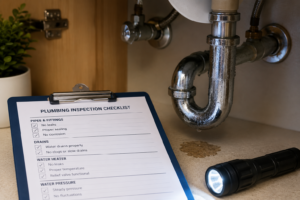
The best way to avoid costly plumbing repairs is through regular maintenance and prompt attention to small problems. Fixing minor leaks, cleaning drains, inspecting plumbing fixtures, and servicing your water heater can help prevent larger issues from developing while extending the life of your plumbing system.
At Southtown Plumbing, we help homeowners identify and repair plumbing problems before they become expensive emergencies. Whether you’ve noticed a small leak, slow drain, running toilet, or changes in your water pressure, our experienced team is here to provide honest recommendations and dependable service. Contact Southtown Plumbing today to schedule a plumbing inspection and keep your home’s plumbing system running efficiently year-round.