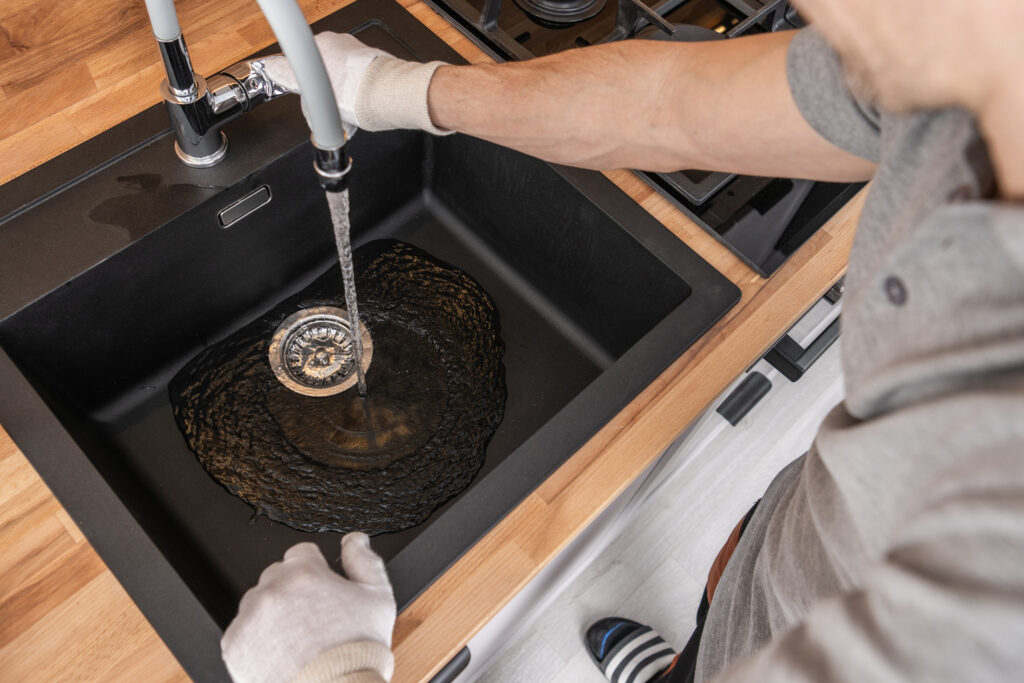
Your home’s plumbing system works quietly behind the scenes every day, delivering clean water and removing waste with little thought until something goes wrong. Unfortunately, plumbing problems often appear suddenly and can lead to costly repairs, water damage, and major inconvenience. The good news is that many common plumbing issues can be prevented with regular maintenance and a little awareness.
Here are essential plumbing maintenance tips every homeowner should know to help keep their system running smoothly and avoid unexpected repairs.
Know Where Your Main Water Shut-Off Is
One of the most important things you can do as a homeowner is locate your main water shut-off valve. In the event of a burst pipe, major leak, or plumbing emergency, shutting off the water quickly can significantly reduce damage.
Take a few minutes to find the valve and make sure everyone in your household knows where it is and how to use it. If the valve is difficult to turn or appears corroded, it’s a good idea to have it inspected by a professional.
Watch for Leaks Even Small Ones
Small leaks may not seem urgent, but they can waste a surprising amount of water and lead to bigger problems over time. Dripping faucets, running toilets, and slow leaks under sinks can increase your water bill and cause hidden water damage.
Make it a habit to check under sinks, around toilets, and near appliances like washing machines and dishwashers for signs of moisture. Catching leaks early often means a simpler and less expensive repair.
Be Mindful of What Goes Down Your Drains
Your drains are not designed to handle everything. Grease, food scraps, coffee grounds, wipes, and hygiene products are common causes of clogs and backups.
In the kitchen, avoid pouring grease or oil down the sink. Instead, let it cool and dispose of it in the trash. In bathrooms, use drain strainers to catch hair and debris, and only flush toilet paper—nothing else, even if it’s labeled “flushable.”
These small habits can go a long way in preventing stubborn clogs and sewer issues.
Check Your Water Heater Regularly
Your water heater is one of the hardest-working appliances in your home, yet it’s often overlooked. Regular maintenance can help extend its lifespan and improve efficiency.
Pay attention to changes in water temperature, unusual noises, or discolored water, which may indicate sediment buildup or other issues. Flushing the water heater periodically can help remove sediment, but this should be done according to manufacturer recommendations or by a licensed plumber.
If your water heater is more than 10–15 years old, it may be time to consider replacement before it fails unexpectedly.
Protect Pipes From Freezing
In colder climates, frozen pipes are a major concern. When water freezes, it expands, which can cause pipes to crack or burst.
To prevent freezing, insulate exposed pipes in basements, crawl spaces, garages, and exterior walls. During extreme cold, letting faucets drip slightly can help keep water moving and reduce pressure buildup.
Disconnect outdoor hoses before winter and shut off exterior water lines if possible. These steps can help prevent costly winter plumbing emergencies.
Maintain Proper Water Pressure
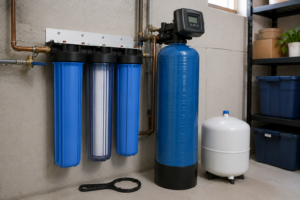
High water pressure may feel great in the shower, but it can strain pipes, fixtures, and appliances over time. Excessive pressure increases the risk of leaks and premature wear.
If you notice banging pipes, frequent leaks, or appliances wearing out quickly, your water pressure may be too high. A plumber can test your pressure and install a pressure-reducing valve if needed.
Schedule Preventive Plumbing Inspections
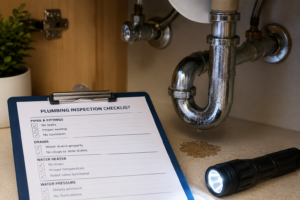
Just like routine car maintenance, regular plumbing inspections can help identify potential problems before they turn into emergencies. A professional plumber can check for hidden leaks, corrosion, aging pipes, and other issues that aren’t always visible.
Preventive inspections can save homeowners money in the long run by addressing small problems early and improving overall system efficiency.
Don’t Ignore Warning Signs
Slow drains, gurgling sounds, unpleasant odors, or fluctuating water pressure are often signs of underlying plumbing issues. Ignoring these warning signs can allow problems to worsen over time.
If something doesn’t seem right, it’s best to have it checked sooner rather than later. Early intervention often means simpler repairs and less disruption.
Plumbing maintenance doesn’t have to be complicated, but it does require consistency and awareness. By keeping an eye on your plumbing system, practicing good habits, and scheduling professional maintenance when needed, you can avoid many common plumbing problems and protect your home.
If you’re unsure about the condition of your plumbing or want help staying ahead of potential issues, a licensed plumber can provide expert guidance and preventive care. A little maintenance today can save you from major repairs tomorrow.