Water is essential to our daily lives, but not all water is created equal. The distinction between hard water and soft water may seem subtle, but it can have a significant impact on your home, appliances, skin, hair, and even your wallet. Understanding the difference can help you make informed decisions about your plumbing, water treatment, and overall household maintenance.
What Is Hard Water?
Hard water is water that contains a high concentration of minerals, primarily calcium and magnesium. These minerals are naturally present in groundwater and are picked up as water moves through soil and rock formations. While hard water is safe to drink, it can cause a variety of issues in the home.
Signs of hard water include:
- White or chalky mineral buildup on faucets, showerheads, and appliances
- Soap that doesn’t lather easily
- Stiff or rough-feeling laundry
- Spots or streaks on dishes after washing
- Reduced efficiency and lifespan of water heaters and other appliances
What Is Soft Water?
Soft water, in contrast, contains very low levels of calcium and magnesium. It may occur naturally in some areas, or it can be created artificially through a water softening system, which typically replaces calcium and magnesium ions with sodium or potassium ions.
Soft water offers several advantages in a household setting:
- Soap and shampoo lather more easily, improving cleaning efficiency
- Appliances that use water such as dishwashers, washing machines, and water heaters operate more efficiently and last longer
- Plumbing pipes are less prone to mineral buildup, reducing clogs and corrosion
- Clothes feel softer and retain their color longer
- Skin and hair often feel smoother and less dry
Why the Difference Matters
Understanding whether you have hard or soft water matters for several reasons:
- Appliance Longevity and Efficiency
Hard water can leave mineral deposits, also called scale, inside appliances and plumbing. Over time, scale buildup in water heaters, dishwashers, and washing machines reduces efficiency and can lead to costly repairs or replacements. Soft water, on the other hand, prevents scale buildup and helps appliances function optimally. - Plumbing Health
Mineral deposits in pipes from hard water can lead to clogs, reduced water flow, and even pipe corrosion. In contrast, soft water helps maintain clear pipes and reduces the risk of plumbing issues. - Skin and Hair Care
Hard water can leave a residue on your skin and hair, making skin feel dry and hair look dull. Soft water is gentler, helping to maintain skin moisture and hair shine. This is particularly important for households with children or individuals with sensitive skin. - Cleaning and Laundry
Hard water makes cleaning more challenging. Soap reacts with minerals, creating soap scum and making detergents less effective. Soft water improves the efficiency of soaps and detergents, leaving clothes brighter and dishes spot-free, and reducing the need for extra cleaning products. - Environmental and Financial Considerations
Because soft water requires less soap, detergent, and energy to heat, it can save money and reduce environmental impact over time. Hard water may increase energy costs as water heaters work harder to overcome mineral buildup and maintain efficiency.
Should You Consider a Water Softener?
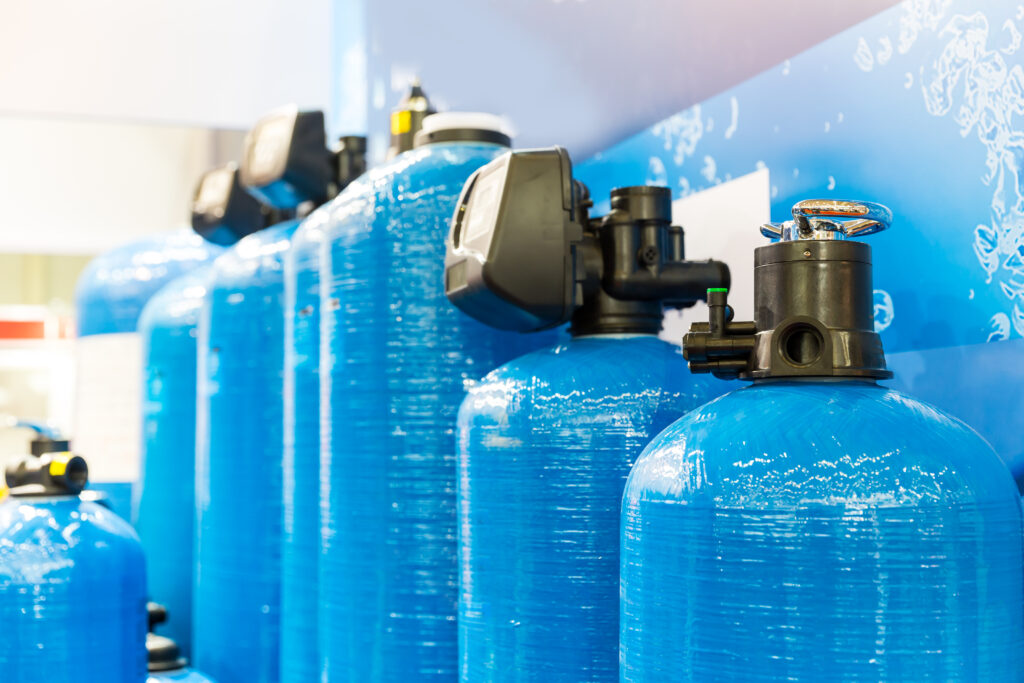
If you live in an area with hard water, installing a water softener can be a smart investment. Modern systems can be tailored to your home’s water hardness level, reducing the negative effects of hard water and protecting your plumbing, appliances, and skin.
Water softeners typically use ion exchange technology to remove calcium and magnesium from your water supply. Regular maintenance ensures optimal performance and long-term benefits, including lower energy bills, fewer plumbing issues, and smoother hair and skin.
Whether your water is hard or soft may seem like a small detail, but it has a ripple effect throughout your home. Hard water can lead to appliance damage, plumbing problems, higher energy bills, and dry skin or dull hair. Soft water, on the other hand, provides benefits for your home, your health, and your wallet.
Testing your water and understanding its hardness is the first step toward making informed decisions. For homes with hard water, installing a water softener can be a worthwhile investment, improving water quality and protecting your home for years to come.